


Hey there! I'm a supplier of Wave Soldering machines, and I often get asked about the flux used in wave soldering. So, I thought I'd write a blog post to share my knowledge on this topic.
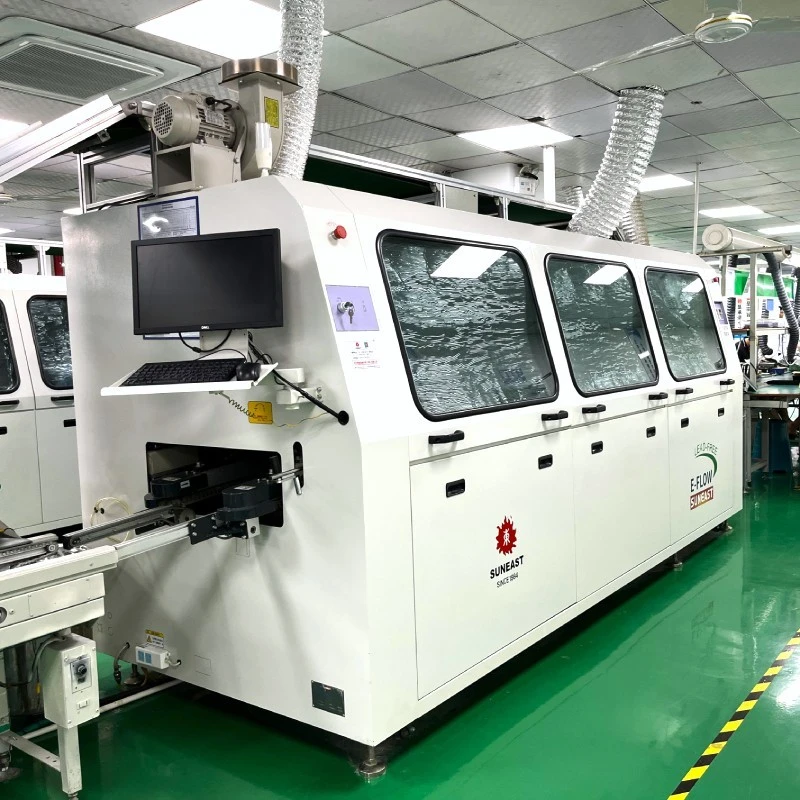
Let's start by understanding what wave soldering is. Wave soldering is a method used in PCB (Printed Circuit Board) assembly to join electronic components to the PCB. In this process, the PCB is passed over a wave of molten solder, which adheres to the exposed metal parts of the PCB and the component leads, creating a strong electrical connection.
Now, let's talk about flux. Flux is a crucial component in the wave soldering process. It plays several important roles that ensure a successful soldering operation.
The Functions of Flux in Wave Soldering
1. Cleaning the Surfaces
One of the primary functions of flux is to clean the surfaces of the PCB pads and the component leads. Over time, these surfaces can become oxidized, especially when exposed to air. Oxidation creates a layer on the metal surface that can prevent the solder from adhering properly. Flux contains chemicals that react with the metal oxides, breaking them down and removing them from the surface. This allows the molten solder to make direct contact with the clean metal, forming a strong bond.
2. Reducing Surface Tension
Solder has a natural tendency to form beads due to surface tension. This can make it difficult for the solder to spread evenly over the PCB pads and component leads. Flux helps to reduce the surface tension of the molten solder. By doing so, it allows the solder to flow more smoothly and wet the surfaces more effectively. This results in better solder joints with less voids and a more consistent appearance.
3. Preventing Re - oxidation
Once the surfaces have been cleaned and the solder is molten, the exposed metal is vulnerable to re - oxidation in the high - temperature environment of the wave soldering process. Flux forms a protective layer over the metal surfaces, preventing oxygen from reaching them and re - oxidizing them before the solder solidifies. This ensures that the solder joints remain strong and reliable.
Types of Flux Used in Wave Soldering
There are several types of flux available, and each has its own characteristics and applications.
1. Rosin - Based Flux
Rosin is a natural resin derived from pine trees. Rosin - based flux is one of the most commonly used types in wave soldering. It is available in different grades, from R (pure rosin) to RA (rosin activated) and RMA (rosin mildly activated). Pure rosin (R) flux has a good insulation property and is relatively mild, making it suitable for applications where the PCB will not be exposed to harsh environmental conditions. RA flux contains activators that enhance its cleaning power, making it more effective at removing stubborn oxides. RMA flux is a compromise between the two, offering a decent level of cleaning power with less residue compared to RA flux.
2. Water - Soluble Flux
As the name suggests, water - soluble flux can be easily removed from the PCB after soldering using water. This type of flux contains strong activators, which makes it very effective at cleaning heavily oxidized surfaces. However, if the residue is not removed properly, it can attract moisture and cause corrosion over time. Water - soluble flux is often used in high - volume production where automated cleaning systems can quickly and efficiently remove the residue.
3. No - Clean Flux
No - clean flux has gained popularity in recent years due to its convenience. After soldering, the small amount of residue left by no - clean flux is non - corrosive and does not require removal in most cases. This can save time and money in the production process by eliminating the need for a cleaning step. However, it may not be suitable for all applications, especially those where high reliability is required and any residue could potentially cause problems.
Applying Flux in Wave Soldering
The application of flux is a critical step in the wave soldering process. There are several methods commonly used:
1. Foam Fluxing
In foam fluxing, the flux is pumped through a diffuser, creating a foam. The PCB is then passed over the foam, allowing the flux to coat the bottom surface of the PCB. This method is relatively simple and inexpensive, but it can sometimes result in uneven flux distribution.
2. Spray Fluxing
Spray fluxing uses a spray nozzle to apply a fine mist of flux onto the PCB. This method provides a more uniform and controlled application of flux compared to foam fluxing. Spray fluxing can also be adjusted to apply different amounts of flux depending on the specific requirements of the PCB.
3. Wave Fluxing
Wave fluxing is similar to the wave soldering process itself. The PCB passes over a wave of flux, ensuring complete coverage of the bottom surface. This method is efficient and can provide a consistent amount of flux, but it requires more complex equipment.
Importance of Choosing the Right Flux
Choosing the right flux for your wave soldering process is essential. The wrong choice of flux can lead to a variety of problems, such as poor solder joints, excessive residue, and corrosion. When selecting a flux, you need to consider several factors:
1. PCB Material and Finish
Different PCB materials and finishes react differently to flux. For example, a PCB with a gold finish may require a different type of flux compared to one with a tin - lead finish. You need to choose a flux that is compatible with the specific materials and finishes of your PCB to ensure proper soldering.
2. Component Sensitivity
Some electronic components are sensitive to the chemicals in flux. For example, certain types of fluxes may contain acids that can damage sensitive components. You need to select a flux that is gentle enough for the components you are using.
3. Production Environment
The production environment also plays a role in flux selection. If you have a high - volume production line, you may want to choose a flux that can be easily and quickly removed, such as water - soluble flux. On the other hand, if you are producing low - volume, high - reliability PCBs, a no - clean flux or a high - quality rosin - based flux may be a better choice.
Related Services and Their Role in PCB Assembly
In the world of PCB assembly, wave soldering is just one part of the process. There are other related services that are also important, and they often work hand in hand with wave soldering.
DIP Assembly is a common method for through - hole component installation. It involves inserting the leads of components through the holes in the PCB and then soldering them in place. Wave soldering is often used to perform the soldering step in DIP assembly, ensuring that the components are firmly attached to the PCB.
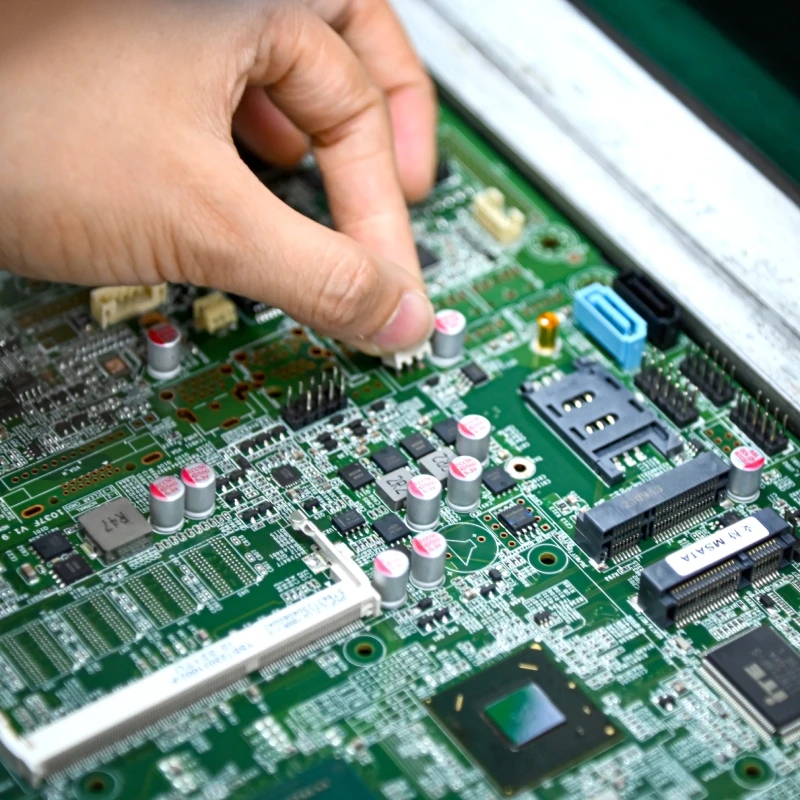
Manual Through Hole Assembly is another option, especially for small - scale production or when dealing with complex or delicate components. While it is more labor - intensive than automated methods like wave soldering, it allows for greater precision and control.
Selective Soldering is a process where only specific areas of the PCB are soldered. This is useful when you have a PCB with a mix of surface - mount and through - hole components, or when you want to avoid soldering certain areas. Wave soldering can be complemented by selective soldering to achieve the best results in PCB assembly.
If you're interested in Wave Soldering or any of the related services, I'd love to chat with you. As a supplier, I have a deep understanding of the process and can help you choose the right flux and equipment for your specific needs. Whether you're a small - scale manufacturer or a large - volume production facility, I can provide you with the solutions that will make your PCB assembly process more efficient and reliable. So, don't hesitate to reach out to me for a discussion on your procurement needs.
References
- "Fundamentals of PCB Assembly" by John Doe
- "Wave Soldering Technology" by Jane Smith


