Sourcing components for PCB power management circuits is a critical process that requires a deep understanding of the electronic components market, technical specifications, and supply chain dynamics. As a PCB component sourcing supplier, I have extensive experience in helping clients find the right components for their power management circuits. In this blog post, I will share some insights and strategies on how to source components for PCB power management circuits effectively.
Understanding the Requirements of PCB Power Management Circuits
Before you start sourcing components, it is essential to have a clear understanding of the requirements of your PCB power management circuits. This includes the input and output voltage levels, current requirements, power efficiency, and any specific features or functions that the circuit needs to perform. By having a detailed understanding of these requirements, you can narrow down your search for the appropriate components and ensure that they meet the specifications of your design.
Identifying the Key Components
Power management circuits typically consist of several key components, including voltage regulators, power switches, capacitors, and inductors. Each of these components plays a crucial role in the overall performance of the circuit, and it is important to select the right ones for your application.

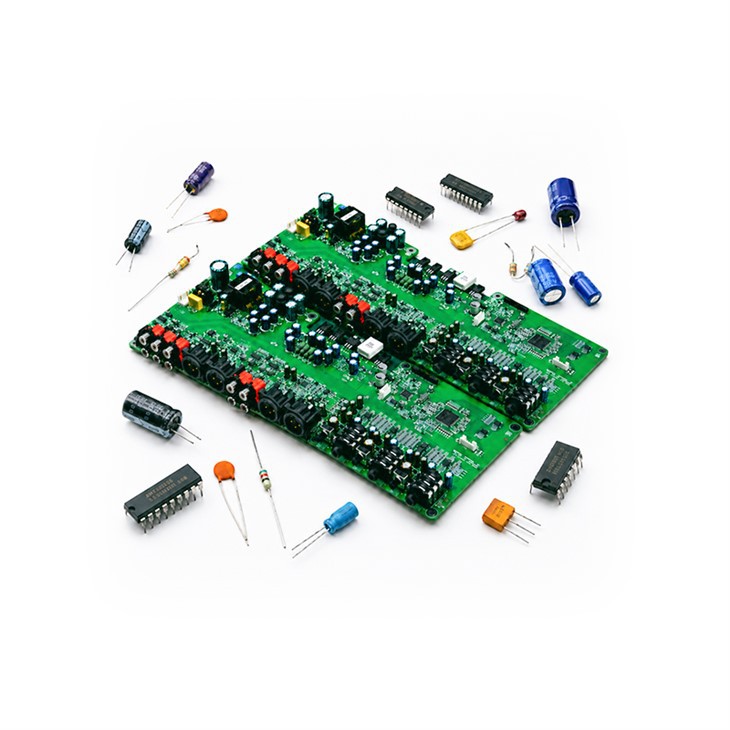
- Voltage Regulators: Voltage regulators are used to maintain a stable output voltage regardless of changes in the input voltage or load conditions. There are several types of voltage regulators available, including linear regulators, switching regulators, and buck-boost regulators. When selecting a voltage regulator, you need to consider factors such as the input and output voltage range, the maximum output current, and the efficiency of the regulator.
- Power Switches: Power switches are used to control the flow of current in the circuit. They can be either mechanical switches or solid-state switches, such as MOSFETs or IGBTs. When selecting a power switch, you need to consider factors such as the maximum current rating, the switching speed, and the on-resistance of the switch.
- Capacitors: Capacitors are used to store and release electrical energy in the circuit. They can be used for filtering, decoupling, and energy storage applications. When selecting a capacitor, you need to consider factors such as the capacitance value, the voltage rating, and the temperature coefficient of the capacitor.
- Inductors: Inductors are used to store energy in a magnetic field and are commonly used in switching power supplies. When selecting an inductor, you need to consider factors such as the inductance value, the current rating, and the saturation current of the inductor.
Sourcing Components from Reliable Suppliers
Once you have identified the key components for your PCB power management circuit, the next step is to source them from reliable suppliers. There are several ways to source components, including direct from the manufacturer, through distributors, or through online marketplaces.
- Direct from the Manufacturer: Sourcing components directly from the manufacturer can be a cost-effective option, especially for large volume orders. However, it may require a minimum order quantity, and you may need to have a good relationship with the manufacturer to get the best prices and lead times.
- Through Distributors: Distributors are companies that buy components from manufacturers and sell them to customers. They offer a wide range of components from different manufacturers and can provide value-added services such as technical support, inventory management, and logistics. When selecting a distributor, you need to consider factors such as the distributor's reputation, the range of components they offer, and their pricing and lead times.
- Online Marketplaces: Online marketplaces such as BOM Sourcing and Electronic Components Sourcing offer a convenient way to source components from multiple suppliers. They provide a platform for buyers and sellers to connect and can offer competitive prices and fast delivery times. However, you need to be careful when using online marketplaces and ensure that you are dealing with reputable suppliers.
Evaluating Component Suppliers
When sourcing components, it is important to evaluate the suppliers to ensure that they are reliable and can meet your requirements. Here are some factors to consider when evaluating component suppliers:
- Quality: The quality of the components is crucial for the performance and reliability of your PCB power management circuit. You need to ensure that the components meet the required specifications and standards. Look for suppliers that have a good reputation for quality and have a quality control system in place.
- Lead Times: Lead times can have a significant impact on your project schedule. You need to ensure that the supplier can provide the components within the required lead time. Look for suppliers that have a good track record of meeting lead times and have a reliable supply chain.
- Pricing: Pricing is an important factor when sourcing components. You need to ensure that you are getting the best value for your money. Look for suppliers that offer competitive prices and are willing to negotiate on price.
- Technical Support: Technical support is essential when sourcing components. You need to ensure that the supplier can provide technical support and assistance when needed. Look for suppliers that have a team of experienced engineers who can provide technical advice and support.
Component Kitting
Component Kitting is a service that involves assembling and packaging components into a single kit for easy installation. Component kitting can save time and reduce the risk of errors during the assembly process. As a PCB component sourcing supplier, we offer component kitting services to our clients. We can source the components, assemble them into a kit, and deliver them to your doorstep.
Conclusion
Sourcing components for PCB power management circuits is a complex process that requires a deep understanding of the electronic components market, technical specifications, and supply chain dynamics. By following the strategies and tips outlined in this blog post, you can source components effectively and ensure that your PCB power management circuit meets the required specifications and performance standards.
If you are looking for a reliable PCB component sourcing supplier, please contact us for a free consultation. We have a team of experienced engineers and sourcing specialists who can help you find the right components for your PCB power management circuit.
References
- Smith, J. (2019). Electronic Component Sourcing: A Comprehensive Guide. New York: Wiley.
- Jones, A. (2020). Power Management Circuits: Design and Analysis. London: Elsevier.
- Brown, C. (2021). PCB Design and Assembly: Best Practices. San Francisco: McGraw-Hill.