


-
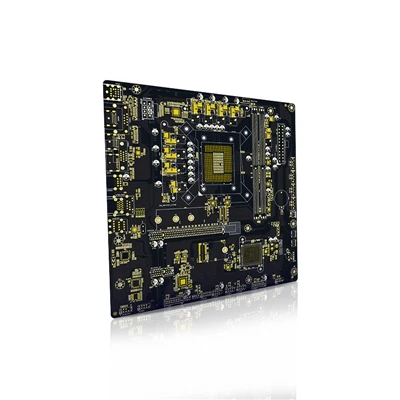
![Applications of Metal Substrates]() Aug 20, 2025Applications of Metal SubstratesMetal substrates are widely used in electronic devices due to their excellent thermal conductivity and thermal stability.
Aug 20, 2025Applications of Metal SubstratesMetal substrates are widely used in electronic devices due to their excellent thermal conductivity and thermal stability. -
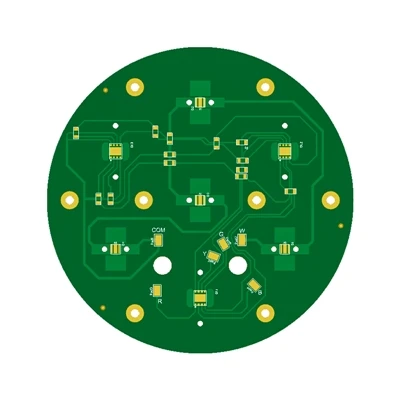
![Working Principle of Metal Substrates]() Aug 19, 2025Working Principle of Metal SubstratesMetal substrates are primarily used to address thermal conductivity and load-bearing issues.
Aug 19, 2025Working Principle of Metal SubstratesMetal substrates are primarily used to address thermal conductivity and load-bearing issues. -
![Advantages of Metal Substrates]() Aug 18, 2025Advantages of Metal SubstratesMetal substrates help address heat dissipation challenges in high-density, high-power circuit boards.
Aug 18, 2025Advantages of Metal SubstratesMetal substrates help address heat dissipation challenges in high-density, high-power circuit boards. -
![Material Selection for High-Frequency PCBs]() Aug 17, 2025Material Selection for High-Frequency PCBsHigh-frequency PCBs are primarily made of materials with high dielectric constants and low high-frequency losses.
Aug 17, 2025Material Selection for High-Frequency PCBsHigh-frequency PCBs are primarily made of materials with high dielectric constants and low high-frequency losses. -
![Characteristics of High-Frequency PCBs]() Aug 16, 2025Characteristics of High-Frequency PCBsThe manufacturing process for high-frequency PCBs is unique, requiring a variety of processes including electromagnetic induction heating, rolling, an
Aug 16, 2025Characteristics of High-Frequency PCBsThe manufacturing process for high-frequency PCBs is unique, requiring a variety of processes including electromagnetic induction heating, rolling, an -
![High-Frequency Board Precautions]() Aug 15, 2025High-Frequency Board PrecautionsOvercurrent protection on the main control board is often inadequate, requiring immediate protection from the driver circuit or driver.
Aug 15, 2025High-Frequency Board PrecautionsOvercurrent protection on the main control board is often inadequate, requiring immediate protection from the driver circuit or driver. -
![What should I be aware of when designing rigid-flex boards?]() Aug 14, 2025What should I be aware of when designing rigid-flex boards?Rigid-flex designs typically transition from rigid to flexible and back to rigid again.
Aug 14, 2025What should I be aware of when designing rigid-flex boards?Rigid-flex designs typically transition from rigid to flexible and back to rigid again. -
![Core Features of Rigid-Flex PCBs]() Aug 13, 2025Core Features of Rigid-Flex PCBsSuitable for scenarios requiring wiring within complex three-dimensional spaces, such as wearable devices and foldable electronic devices.
Aug 13, 2025Core Features of Rigid-Flex PCBsSuitable for scenarios requiring wiring within complex three-dimensional spaces, such as wearable devices and foldable electronic devices. -
![Working Principle of a Rigid-Flexible Panel]() Aug 12, 2025Working Principle of a Rigid-Flexible PanelDuring operation, a rigid-flexible panel can adjust its stiffness and flexibility based on the required external forces and stresses.
Aug 12, 2025Working Principle of a Rigid-Flexible PanelDuring operation, a rigid-flexible panel can adjust its stiffness and flexibility based on the required external forces and stresses. -
![Rigid-Flex Board Material Structure]() Aug 11, 2025Rigid-Flex Board Material StructureA rigid-flex board consists of several layers of materials stacked according to a specific pattern, including both rigid and flexible materials.
Aug 11, 2025Rigid-Flex Board Material StructureA rigid-flex board consists of several layers of materials stacked according to a specific pattern, including both rigid and flexible materials. -
![Advantages of Flexible Circuits]() Aug 10, 2025Advantages of Flexible CircuitsFlexible circuits can be bent and folded freely, flexing tens of thousands of times without damage.
Aug 10, 2025Advantages of Flexible CircuitsFlexible circuits can be bent and folded freely, flexing tens of thousands of times without damage. -
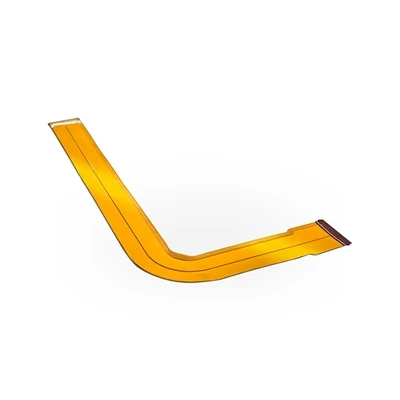
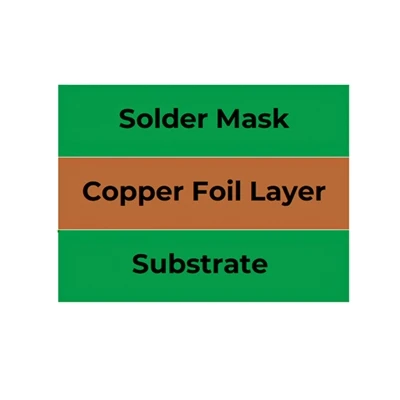
![Basic Structure of Flexible Printed Circuit Boards]() Aug 09, 2025Basic Structure of Flexible Printed Circuit BoardsUsed for surface insulation. Common thicknesses are 1mil and 1/2mil.
Aug 09, 2025Basic Structure of Flexible Printed Circuit BoardsUsed for surface insulation. Common thicknesses are 1mil and 1/2mil.



Popular Products

4U-510-B75-01
The 4U 510 B75 01 Rackmount Industrial PC is built for high-demand automation, control, and machine vision

Z-N100-01
The Z N100 01 is a compact fanless embedded PC designed for industrial automation, edge computing, and smart gateway

Z-N100-02
The Z N100 02 is a compact fanless industrial PC designed for embedded deployment in automation, edge computing, and

Z-N1000
The Z N1000 Series is a fanless, industrial-grade embedded PC engineered for automation control, edge computing, and

Z-DS2003
The Z DS2003 OPS Embedded PC is a modular computing solution built on Intel®’s 8th/9th Gen Coffee Lake-S platform.

Z‑DS2012
The Z DS2012 is a compact, fanless OPS-compliant embedded PC designed for seamless integration into interactive

RFM69-ST
The RFM69-ST is a Sub 1GHz RF transceiver module operating on 433, 868, and 915 MHz ISM bands. It supports 2(G)FSK,

RFM69HC-ST
The RFM69HC-ST is a Sub 1GHz RF transceiver module for 315, 433, 868, and 915 MHz ISM bands. It supports 2(G)FSK, MSK,

HM‑BT4531-ST
The HM BT4531-ST is a Bluetooth 5.3 Low Energy (BLE) module engineered for short range wireless communication with high