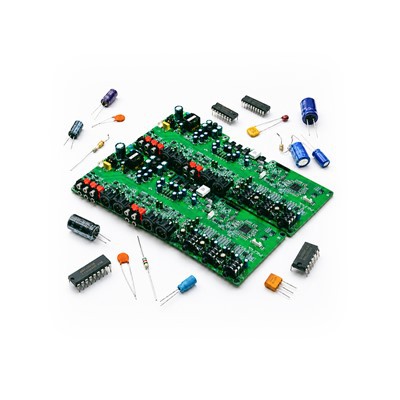
Hey there! As a high volume PCB assembly supplier, I've seen it all when it comes to the risks involved in this industry. In this blog, I'm gonna share some risk management strategies that can help you navigate the challenges of high volume PCB assembly.
Understanding the Risks in High Volume PCB Assembly
Before we dive into the strategies, let's take a look at some of the common risks in high volume PCB assembly. First off, there's the risk of quality issues. When you're producing PCBs in large quantities, it's easy for defects to slip through the cracks. Whether it's soldering problems, component placement errors, or issues with the PCB substrate, quality control is a major concern.
Another risk is supply chain disruptions. The global supply chain for electronic components is complex and can be affected by various factors such as natural disasters, political instability, and trade disputes. If a key component becomes unavailable, it can bring your production to a halt.
Cost overruns are also a significant risk. High volume PCB assembly involves a lot of upfront costs, including equipment, labor, and materials. If you don't manage your costs effectively, you could end up spending more than you planned.
Risk Management Strategies
Quality Control
Quality control is the cornerstone of high volume PCB assembly. To ensure the quality of your PCBs, you need to have a comprehensive quality control system in place. This includes inspecting incoming materials, monitoring the assembly process, and conducting final inspections before shipping.
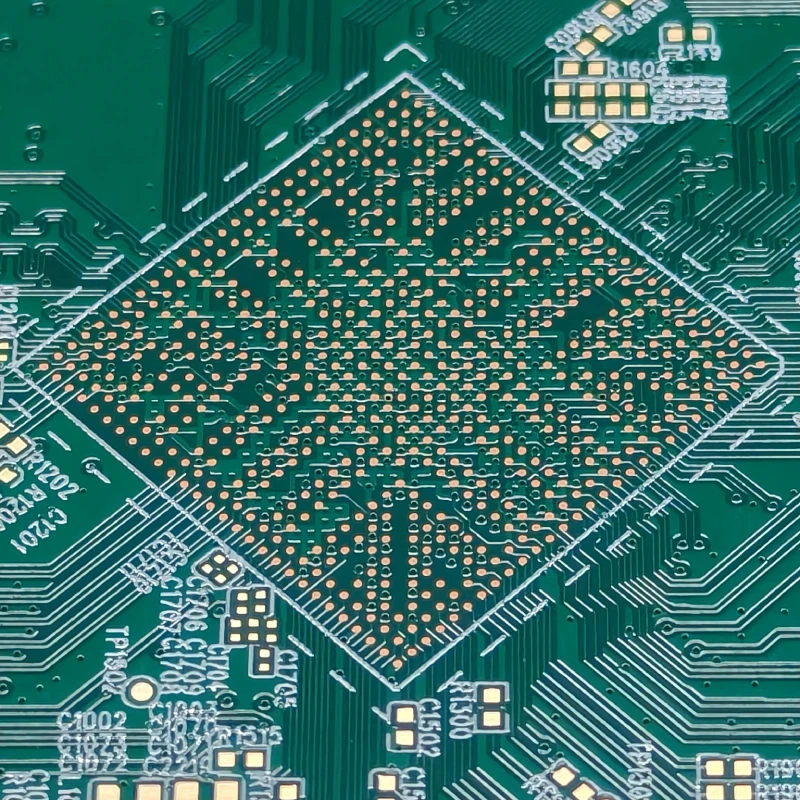
One way to improve quality control is to use automated inspection systems. These systems can detect defects such as soldering issues, component placement errors, and short circuits much faster and more accurately than manual inspection. For example, automated optical inspection (AOI) systems use cameras to inspect the PCBs for defects, while X-ray inspection systems can detect hidden defects such as solder joints inside components.

Another important aspect of quality control is training your employees. Make sure your employees are properly trained on the assembly process, quality control procedures, and the use of inspection equipment. This will help them identify and address quality issues before they become major problems.
Supply Chain Management
To mitigate the risk of supply chain disruptions, it's important to have a diversified supply chain. This means working with multiple suppliers for each component to reduce your dependence on a single supplier. You should also establish long-term relationships with your suppliers to ensure a stable supply of components.
Another strategy is to maintain a buffer stock of critical components. This can help you avoid production delays in case of supply chain disruptions. However, you need to balance the cost of holding inventory with the risk of supply chain disruptions.
It's also a good idea to stay informed about the latest trends and developments in the electronic component market. This will help you anticipate potential supply chain issues and take proactive measures to address them.
Cost Management
Cost management is crucial in high volume PCB assembly. To control costs, you need to have a clear understanding of your production costs, including materials, labor, and overhead. You should also look for ways to optimize your production process to reduce costs without sacrificing quality.
One way to reduce costs is to use standard components whenever possible. Standard components are usually more readily available and less expensive than custom components. You can also negotiate better prices with your suppliers by purchasing in bulk.
Another strategy is to implement lean manufacturing principles. Lean manufacturing focuses on eliminating waste and improving efficiency in the production process. By reducing waste and improving efficiency, you can lower your production costs and increase your profitability.
Specific Assembly Processes and Associated Risks
SMT BGA Assembly
SMT BGA (Surface Mount Technology Ball Grid Array) assembly is a complex process that involves mounting components with a large number of pins on the PCB. One of the main risks in SMT BGA assembly is solder joint defects. These defects can occur due to issues such as improper soldering temperature, insufficient solder paste, or misalignment of the component.
To mitigate the risk of solder joint defects in SMT BGA assembly, it's important to use high-quality solder paste and to follow the manufacturer's recommendations for soldering temperature and time. You should also use a stencil printer to ensure accurate application of the solder paste and a pick-and-place machine to ensure precise component placement. For more information on SMT BGA assembly, check out SMT BGA Assembly.
Fine Pitch SMT
Fine pitch SMT (Surface Mount Technology) involves mounting components with a small pitch (the distance between adjacent pins) on the PCB. This process requires high precision and can be challenging due to the small size of the components and the tight spacing between them.
One of the main risks in fine pitch SMT is component placement errors. These errors can occur due to issues such as misalignment of the component, improper handling, or problems with the pick-and-place machine. To mitigate the risk of component placement errors in fine pitch SMT, it's important to use a high-resolution pick-and-place machine and to ensure that the components are properly aligned before placement. You should also use a vision system to inspect the component placement after assembly. For more information on fine pitch SMT, check out Fine Pitch SMT.
Conclusion
High volume PCB assembly comes with its fair share of risks, but with the right risk management strategies, you can minimize these risks and ensure the success of your projects. By focusing on quality control, supply chain management, and cost management, you can produce high-quality PCBs at a competitive price.
If you're in the market for high volume PCB assembly services, I'd love to talk to you. We have the experience, expertise, and resources to meet your needs. Whether you're a small startup or a large corporation, we can provide you with the high-quality PCBs you need to succeed. So, don't hesitate to reach out and let's start a conversation about your project.
References
- Smith, J. (2020). PCB Assembly: A Comprehensive Guide. Electronics Publishing.
- Johnson, A. (2019). Risk Management in the Electronics Industry. Journal of Electronic Manufacturing.