In the ever - evolving landscape of financial applications, the concept of a module plays a pivotal and multi - faceted role. As a module supplier, I have witnessed firsthand how these components are the building blocks that empower financial applications to function efficiently, securely, and innovatively.
Defining a Module in a Financial Application
A module in a financial application can be thought of as a self - contained, reusable unit of software code or a hardware component that performs a specific function within the broader financial application ecosystem. It is designed to be modular, meaning it can be easily integrated, replaced, or upgraded without significantly affecting other parts of the application.
From a software perspective, modules can range from simple functions like basic arithmetic calculations for interest rates to complex algorithms for risk assessment and fraud detection. For example, a module dedicated to portfolio management might handle tasks such as asset allocation, performance tracking, and rebalancing. This module can be developed independently and then integrated into a larger financial application, allowing different teams to work on different aspects of the overall system simultaneously.
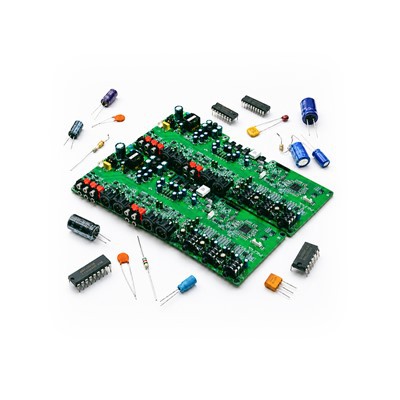
On the hardware side, modules can include components like wireless communication modules that enable secure data transfer between financial devices. For instance, our HM‑MT2401B - ST module is a state - of - the - art matter wireless module. It provides a reliable and secure connection for financial devices, ensuring that sensitive financial data can be transferred without any loss or interference. This is crucial in a financial environment where data integrity and security are of utmost importance.


Types of Modules in Financial Applications
1. Transaction Processing Modules
These modules are at the heart of any financial application. They handle the processing of various financial transactions, such as deposits, withdrawals, and transfers. Transaction processing modules need to be highly reliable and efficient, as any delay or error can have significant consequences for both the financial institution and its customers. For example, a real - time payment processing module ensures that funds are transferred instantly and accurately, enhancing the customer experience and reducing the risk of fraud.
2. Risk Management Modules
Risk is an inherent part of the financial industry. Risk management modules are designed to identify, assess, and mitigate various types of risks, including credit risk, market risk, and operational risk. These modules use complex algorithms and historical data to predict potential risks and suggest appropriate strategies to manage them. For instance, a credit risk assessment module might analyze a customer's credit history, income, and other factors to determine the likelihood of default.
3. Reporting and Analytics Modules
In the financial world, data is king. Reporting and analytics modules collect, analyze, and present financial data in a meaningful way. They generate reports on various aspects of the financial business, such as profitability, liquidity, and compliance. These reports help financial managers make informed decisions and meet regulatory requirements. For example, an analytics module might analyze market trends and customer behavior to identify new business opportunities.
4. Security Modules
Security is a top priority in financial applications. Security modules are responsible for protecting sensitive financial data from unauthorized access, theft, and fraud. They use encryption techniques, access control mechanisms, and intrusion detection systems to ensure the security of the application. Our HM‑BT4502 - ST module, a BLE (Bluetooth Low Energy) module, can be used to establish a secure connection between financial devices, adding an extra layer of security to the data transfer process.
Benefits of Using Modules in Financial Applications
1. Flexibility and Scalability
One of the main advantages of using modules in financial applications is the flexibility they offer. Modules can be easily added, removed, or modified as the business requirements change. This allows financial institutions to adapt quickly to new market trends, regulatory changes, and customer demands. For example, if a financial institution wants to offer a new type of investment product, it can simply add a new module to its existing application.
2. Cost - Efficiency
Developing a financial application from scratch can be a time - consuming and expensive process. By using pre - developed modules, financial institutions can save time and money. Modules can be reused across different applications, reducing the development cost. Additionally, the maintenance and upgrade of modules are often more cost - effective than maintaining a monolithic application.
3. Improved Quality and Reliability
Modules are developed and tested independently, which helps to improve the overall quality and reliability of the financial application. Each module can be thoroughly tested to ensure that it functions correctly and meets the required standards. This reduces the risk of bugs and errors in the application, leading to a better user experience.
4. Faster Time to Market
Using modules allows financial institutions to bring new products and services to market more quickly. Instead of spending months or even years developing a new application, they can use existing modules and integrate them into a new application in a shorter period. This gives them a competitive edge in the market.
Our Module Offerings
As a module supplier, we offer a wide range of modules specifically designed for financial applications. Our HM‑MT7201 - ST module is another example of our high - quality matter wireless modules. It offers enhanced performance and reliability, making it ideal for financial devices that require a stable and secure wireless connection.
We also provide custom - developed modules to meet the specific needs of our clients. Our team of experienced engineers can work closely with financial institutions to understand their requirements and develop modules that are tailored to their business.
Conclusion
In conclusion, modules are an essential part of financial applications. They offer flexibility, scalability, cost - efficiency, and improved quality. As a module supplier, we are committed to providing high - quality modules that meet the needs of the financial industry. Whether you are a small financial startup or a large financial institution, our modules can help you build more efficient, secure, and innovative financial applications.
If you are interested in learning more about our modules or would like to discuss your specific requirements, we invite you to contact us for a procurement discussion. We look forward to working with you to drive innovation in the financial application space.
References
- Smith, J. (2020). "The Role of Modularity in Financial Software Development". Journal of Financial Technology.
- Johnson, A. (2019). "Security Modules in Financial Applications: Best Practices". International Journal of Financial Security.
- Brown, C. (2021). "Scalability and Flexibility in Financial Application Design". Financial Innovation Review.