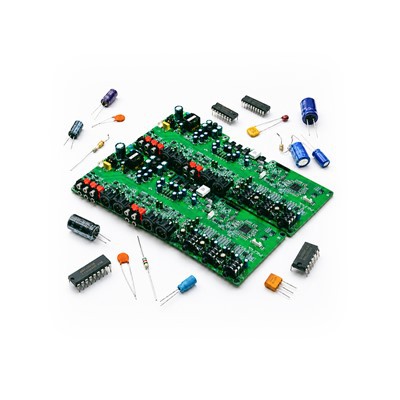
Hey there! I'm part of an SMT PCB Assembly supplier, and I'm super stoked to walk you through how SMT PCB Assembly works. It's a pretty cool process that combines high - tech and precision to bring electronic devices to life.
Let's start with the basics. SMT, which stands for Surface Mount Technology, is a method of attaching electronic components directly to the surface of a printed circuit board (PCB). This is different from the older through - hole technology, where components were inserted through holes in the PCB. SMT has become the go - to method these days because it allows for smaller, more efficient PCBs.
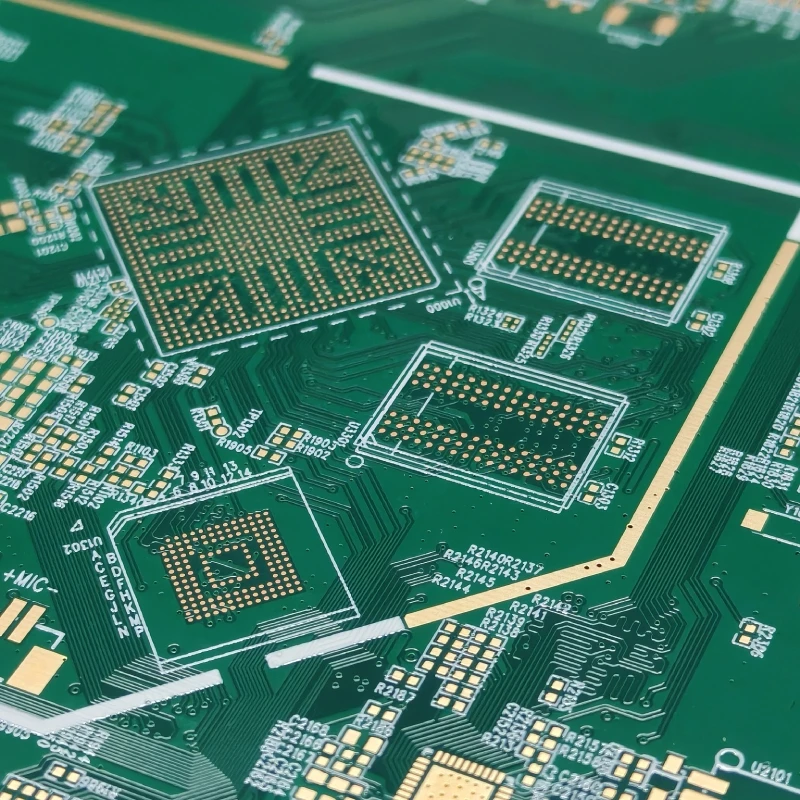
The first step in the SMT PCB Assembly process is the preparation. We need to have all the necessary materials and equipment ready. This includes the PCB itself, the electronic components, solder paste, and the stencil. The PCB is like the foundation of the whole thing. It's a flat board made of insulating material with conductive pathways etched on it. These pathways are what connect the different components together.
Now, let's talk about the stencil. A stencil is a thin sheet, usually made of metal, with holes cut out in the shape of the pads on the PCB where the components will be placed. The stencil is placed on top of the PCB, and solder paste is applied over it. The holes in the stencil allow the solder paste to be deposited precisely on the pads. This is a crucial step because the right amount of solder paste is needed for a good connection between the components and the PCB. You can learn more about SMT Stencil Design on our website.
Once the solder paste is applied, it's time to place the components. We use a machine called a pick - and - place machine. This machine is like a super - precise robot. It has a camera that can identify the components and pick them up one by one from a feeder. The feeder is a device that holds the components in an organized way. The pick - and - place machine then places each component exactly where it needs to be on the PCB, right on top of the solder paste.
There are different types of components that can be used in SMT PCB Assembly. Some are really small, like resistors and capacitors, which are often called passive components. These are used to control the flow of electricity in the circuit. Then there are the active components, like integrated circuits (ICs). These are more complex and can perform functions like processing data or controlling other parts of the circuit.
After the components are placed, the PCB goes through a reflow oven. The reflow oven heats the PCB to a specific temperature. This causes the solder paste to melt, creating a strong electrical connection between the components and the PCB. The temperature profile in the reflow oven is carefully controlled. It starts with a pre - heat stage to gradually warm up the PCB and components. Then, it reaches a peak temperature where the solder melts, and finally, it cools down to solidify the solder joints.
One of the challenges in SMT PCB Assembly is dealing with fine - pitch components. Fine - pitch components have very small lead spacing, which means it's more difficult to place them accurately and ensure good solder connections. That's where Fine Pitch SMT comes in. Special techniques and equipment are used to handle these components. For example, we might use a higher - resolution camera on the pick - and - place machine to ensure precise placement.
Once the PCB comes out of the reflow oven, it goes through an inspection process. We use automated optical inspection (AOI) machines to check for any defects. These machines use cameras to look at the PCB and compare it to a reference image. They can detect things like missing components, misaligned components, or solder bridges (where the solder has connected two adjacent pads when it shouldn't). If any defects are found, they are fixed manually or by using other repair equipment.
After the inspection, the PCB is ready for testing. We test the PCB to make sure it functions as it should. This can involve applying power to the PCB and measuring different electrical parameters. We might also run specific tests based on the requirements of the customer. For example, if the PCB is for a mobile phone, we might test its communication capabilities or its ability to handle different types of signals.
Throughout the whole SMT PCB Assembly process, quality control is super important. We have strict standards and procedures in place to ensure that every PCB we produce meets the highest quality. This includes regular calibration of our equipment, training of our staff, and continuous improvement of our processes.

So, that's a general overview of how SMT PCB Assembly works. It's a complex process that requires a lot of precision and attention to detail. Whether you're working on a small - scale project or a large - scale production, SMT PCB Assembly can provide you with reliable and efficient electronic solutions.
If you're in the market for SMT PCB Assembly services, we'd love to hear from you. We have the expertise and the state - of - the - art equipment to handle your project. Whether you need a prototype or a large - volume production, we can work with you to meet your needs. Reach out to us to start a conversation about your project and see how we can help you bring your ideas to life.
References:
- Industry knowledge and experience in SMT PCB Assembly
- Technical documents and manuals related to SMT equipment and processes