In the modern financial landscape, Automated Teller Machines (ATMs) stand as the front - line interface between banks and their customers. These machines have become indispensable, offering 24/7 access to cash, account information, and various banking services. At the heart of every ATM lies a Printed Circuit Board (PCB), and the use of mixed technology PCB assembly in ATMs brings a multitude of benefits. As a mixed technology PCB assembly supplier, I am well - versed in the advantages that this approach offers to ATM manufacturers.
Enhanced Performance and Functionality
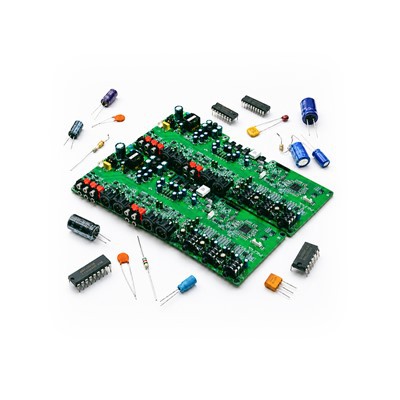
One of the primary benefits of using mixed technology PCB assembly in ATMs is the enhanced performance and functionality it provides. ATMs need to handle a wide range of tasks, from processing financial transactions to interacting with customers through touchscreens and card readers. Mixed technology PCBs combine surface - mount technology (SMT) and through - hole technology (THT) components, allowing for a more comprehensive and efficient design.
SMT components are known for their small size and high - density placement. They can be placed closely together on the PCB, which reduces the overall size of the board. This is crucial for ATMs, as space is often limited. With SMT PCB Assembly, we can integrate more functions into a smaller area, enabling ATMs to offer more services without increasing their physical footprint.
On the other hand, through - hole components are valued for their mechanical strength and reliability. They are ideal for components that need to withstand high stress or for applications where a strong connection is required. For example, power connectors and some large - scale integrated circuits in ATMs often use through - hole technology. By combining SMT and THT in a mixed technology PCB, we can take advantage of the best of both worlds, ensuring that the ATM functions smoothly and reliably.
Improved Reliability and Durability
Reliability is of utmost importance in ATMs. These machines are used by thousands of customers every day, and any downtime can lead to significant losses for banks and inconvenience for customers. Mixed technology PCB assembly contributes to the reliability and durability of ATMs in several ways.
Firstly, the combination of SMT and THT components provides redundancy in the circuit design. If one type of component fails, the other type can still function to some extent, preventing a complete system failure. For instance, in case of a solder joint failure in an SMT component, the through - hole components can maintain the basic functionality of the ATM until the issue is resolved.
Secondly, through - hole components are better at handling mechanical stress. ATMs are subject to vibrations, shocks, and temperature variations during normal operation. Through - hole components are more resistant to these environmental factors compared to SMT components. By including through - hole components in the PCB assembly, we can ensure that the ATM can withstand the rigors of daily use and maintain its performance over a long period.
Cost - Effectiveness
Cost is always a significant factor in the manufacturing of ATMs. Mixed technology PCB assembly offers a cost - effective solution for ATM manufacturers. While SMT components are generally cheaper to produce and assemble in large quantities, through - hole components are sometimes necessary for specific functions. By using a mixed technology approach, manufacturers can balance the cost and performance requirements.
For example, for components that require high - precision and high - volume production, SMT is the preferred choice. It allows for faster assembly and lower production costs. However, for components that need to handle high power or require a strong mechanical connection, through - hole technology is more suitable. By carefully selecting the appropriate technology for each component, we can optimize the cost of the PCB assembly without sacrificing performance.
Flexibility in Design
Mixed technology PCB assembly provides greater flexibility in the design of ATMs. ATM manufacturers can choose the most suitable components for each function based on their specific requirements. This flexibility allows for the development of customized ATMs that can meet the unique needs of different banks and customers.


With SMT Stencil Design, we can precisely place SMT components on the PCB, enabling the design of complex circuits. At the same time, through - hole components can be added to the design to provide additional functionality or to meet specific mechanical requirements. This combination of technologies allows for a more modular and adaptable design, which is essential in the rapidly evolving ATM industry.
Easier Maintenance and Repair
Maintenance and repair are important aspects of ATM operation. Mixed technology PCB assembly makes it easier to maintain and repair ATMs. Through - hole components are easier to replace compared to SMT components. In case of a component failure, technicians can easily remove and replace the through - hole component without the need for specialized equipment.
Moreover, the modular design of mixed technology PCBs allows for easier diagnosis of problems. If a particular section of the PCB is malfunctioning, it can be isolated and replaced more easily. This reduces the downtime of ATMs and ensures that they can be quickly restored to normal operation.
Compatibility with Existing Systems
Many banks have existing ATM systems that they want to upgrade or expand. Mixed technology PCB assembly is compatible with existing ATM systems, which makes it easier for banks to upgrade their ATMs without having to replace the entire system.
By using a mixed technology approach, we can design PCBs that can interface with the existing hardware and software of the ATM. This allows banks to take advantage of the latest technology while still using their existing infrastructure. For example, we can add new features to the ATM, such as contactless card readers or biometric authentication, by integrating the appropriate components into the mixed technology PCB.
Environmental Considerations
In today's world, environmental considerations are becoming increasingly important. Mixed technology PCB assembly can contribute to a more sustainable ATM design. SMT components are generally more energy - efficient compared to through - hole components. By using a combination of SMT and THT, we can optimize the energy consumption of the ATM.
Additionally, the longer lifespan and better reliability of mixed technology PCBs mean that ATMs need to be replaced less frequently. This reduces the amount of electronic waste generated by the ATM industry. As a responsible supplier, we are committed to promoting sustainable manufacturing practices and helping our customers reduce their environmental impact.
Conclusion
In conclusion, the use of mixed technology PCB assembly in ATMs offers a wide range of benefits, including enhanced performance, improved reliability, cost - effectiveness, flexibility in design, easier maintenance, compatibility with existing systems, and environmental sustainability. As a mixed technology PCB assembly supplier, we are dedicated to providing high - quality PCB assemblies that meet the specific needs of ATM manufacturers.
If you are an ATM manufacturer looking for a reliable and innovative PCB assembly solution, we would be delighted to discuss your requirements. Our team of experts has extensive experience in mixed technology PCB assembly and can provide you with customized solutions that will help you stay ahead in the competitive ATM market. Contact us to start a conversation about how we can work together to create the next generation of ATMs.
References
- Smith, J. (2020). "Advanced PCB Assembly Techniques for Financial Equipment". Journal of Electronic Manufacturing.
- Johnson, A. (2019). "The Impact of Mixed Technology PCBs on ATM Performance". International Journal of Banking Technology.
- Brown, C. (2021). "Sustainable PCB Assembly in the ATM Industry". Environmental Science and Technology Journal.